Other AI Tools
59 toolsExplore all other categories
Showing 59 tools









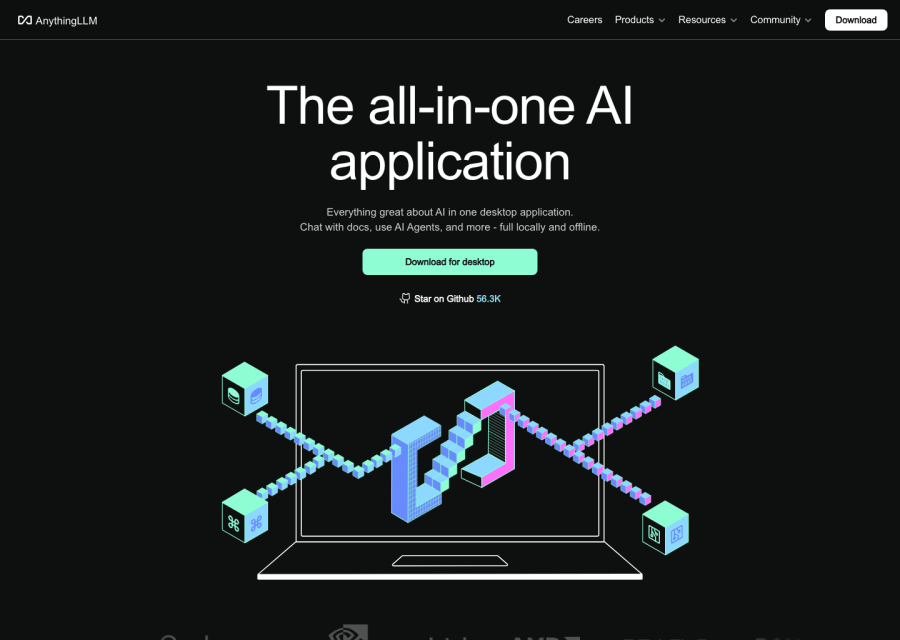
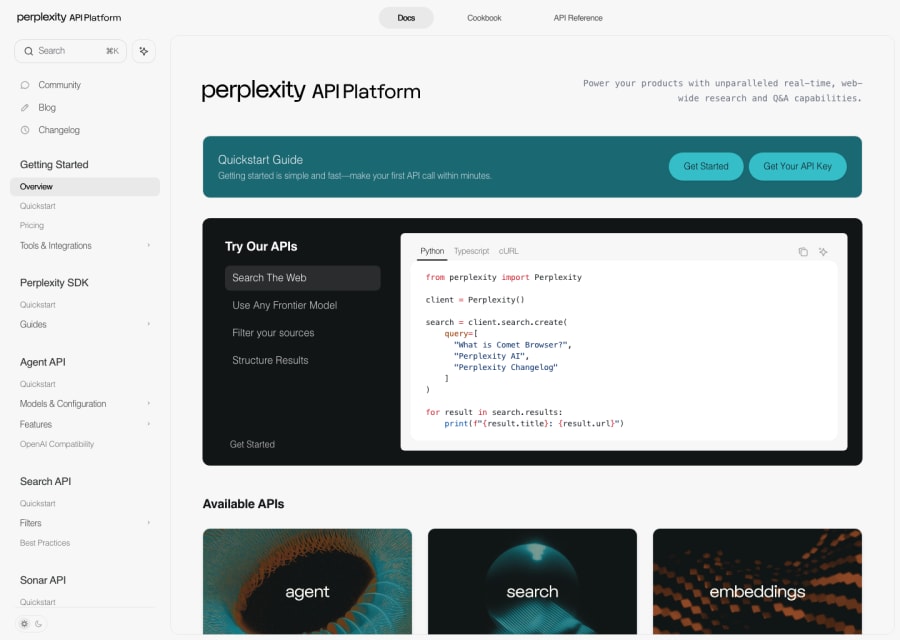
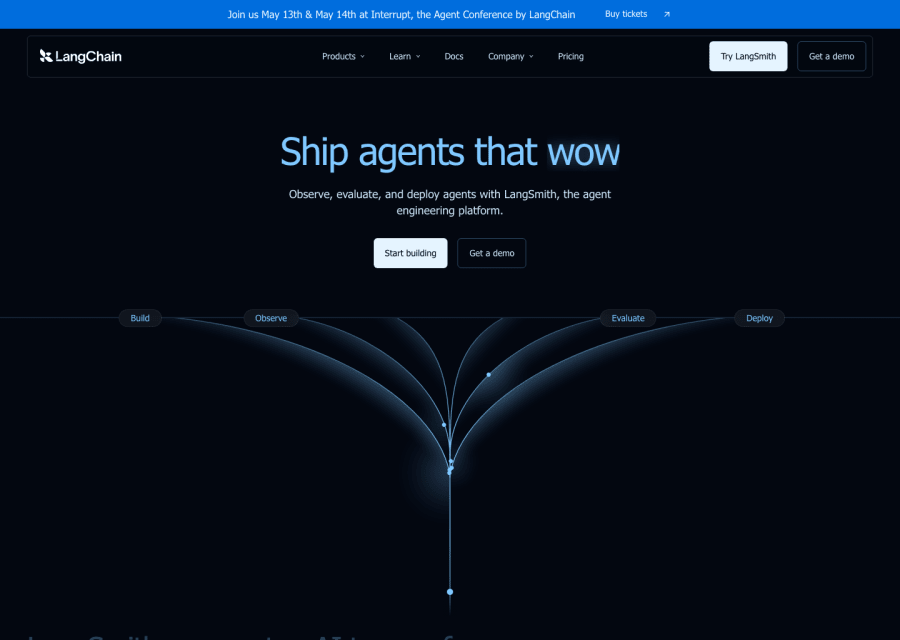








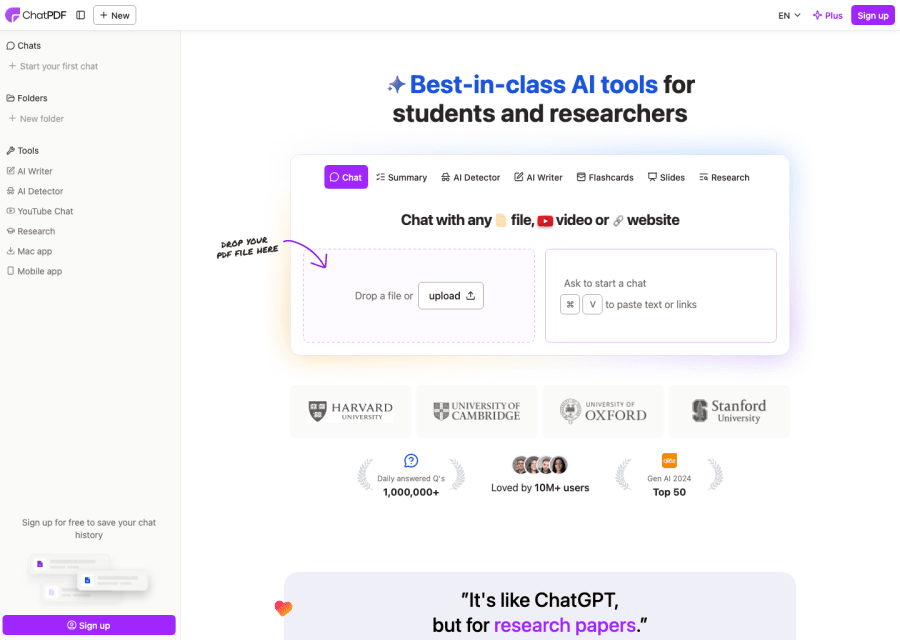



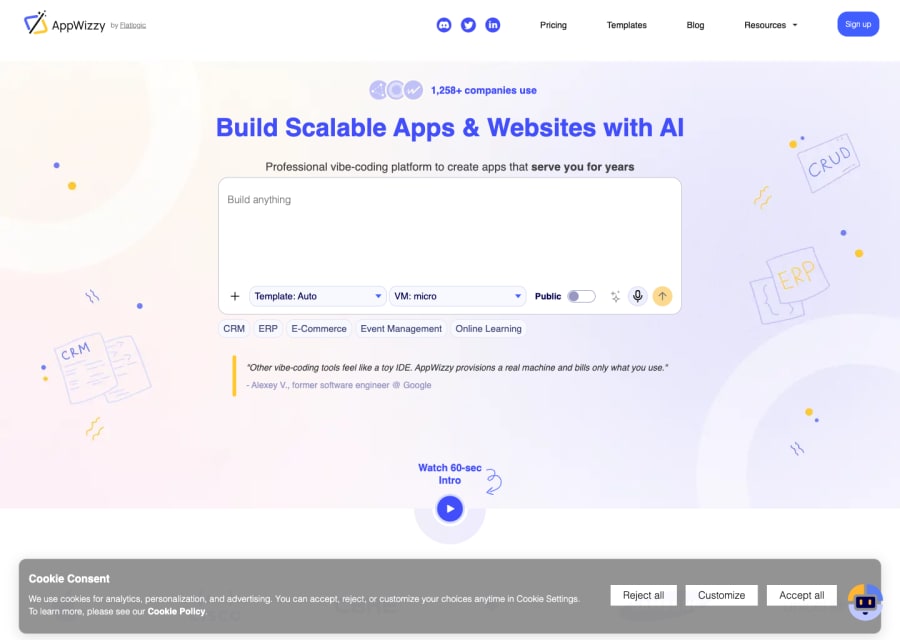
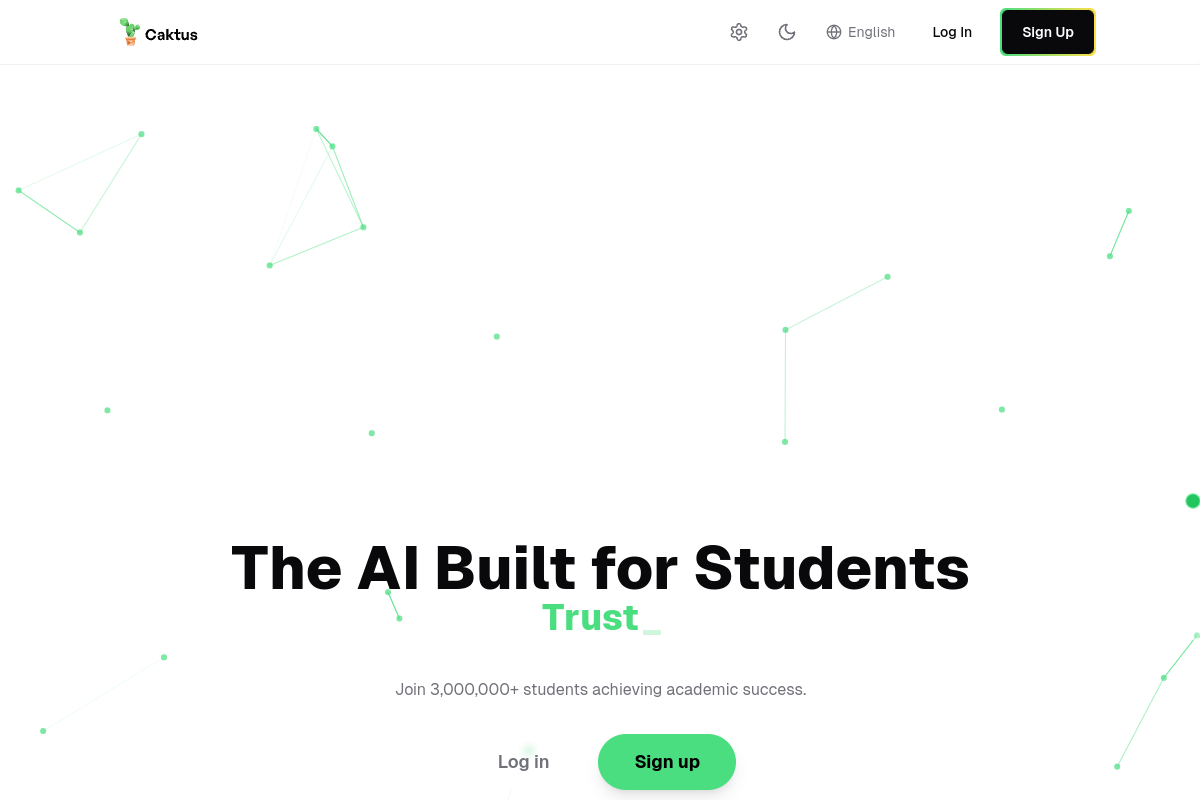


What are other AI tools?
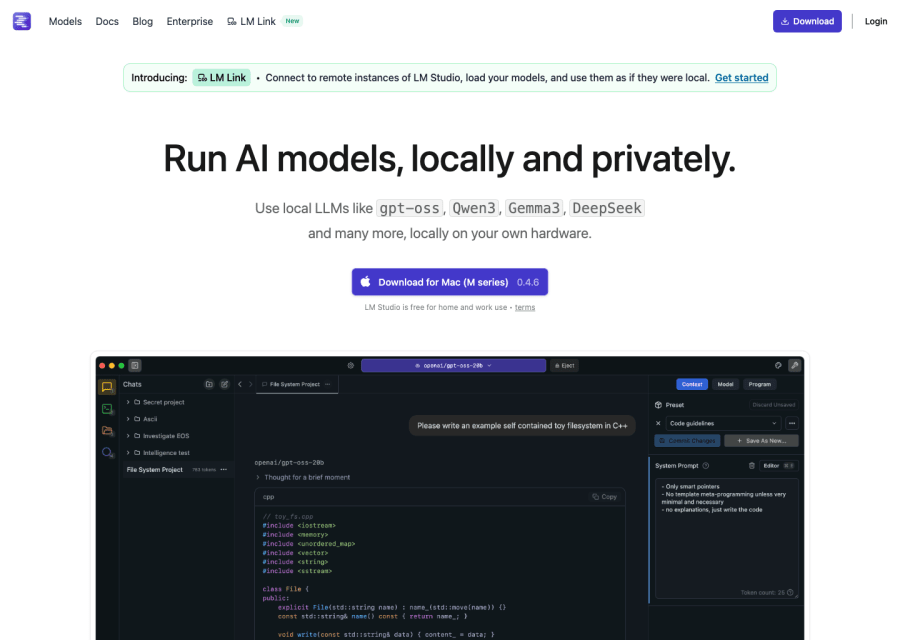
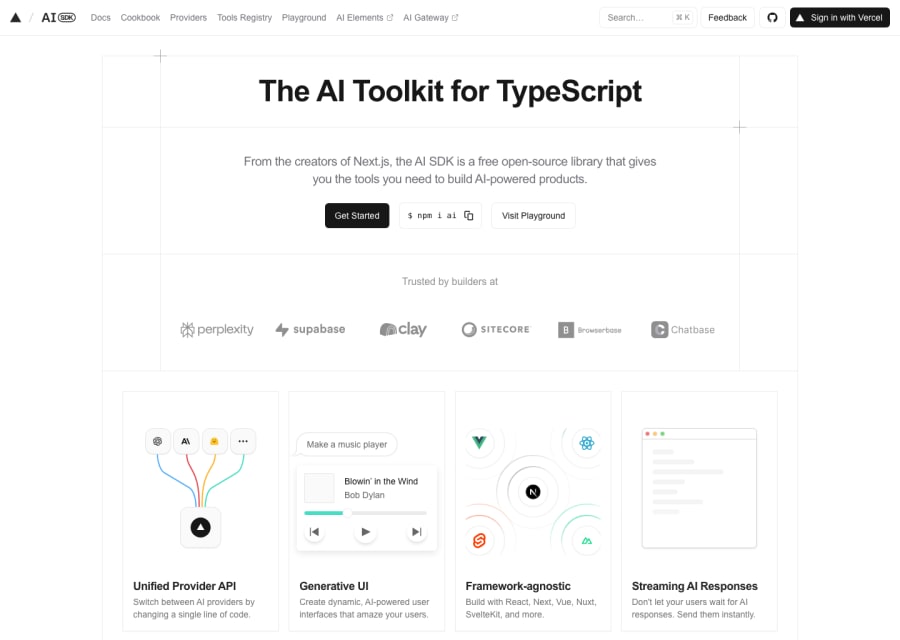
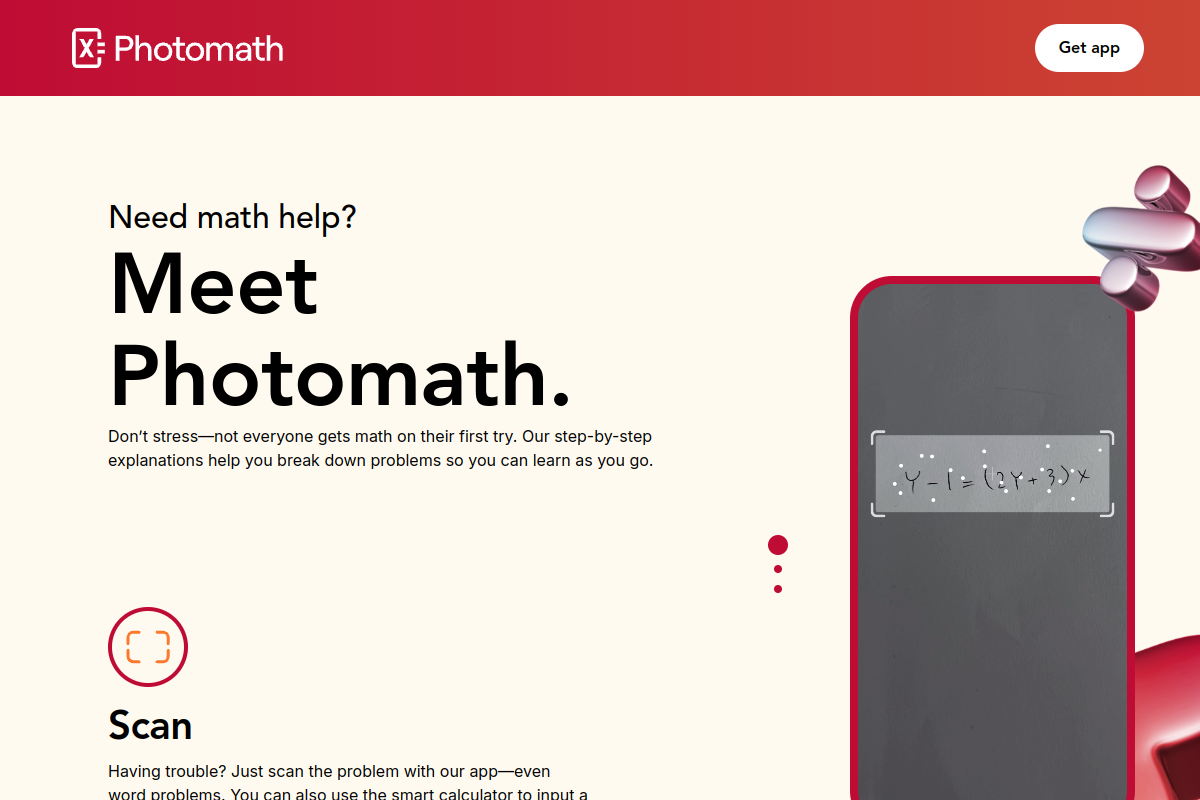
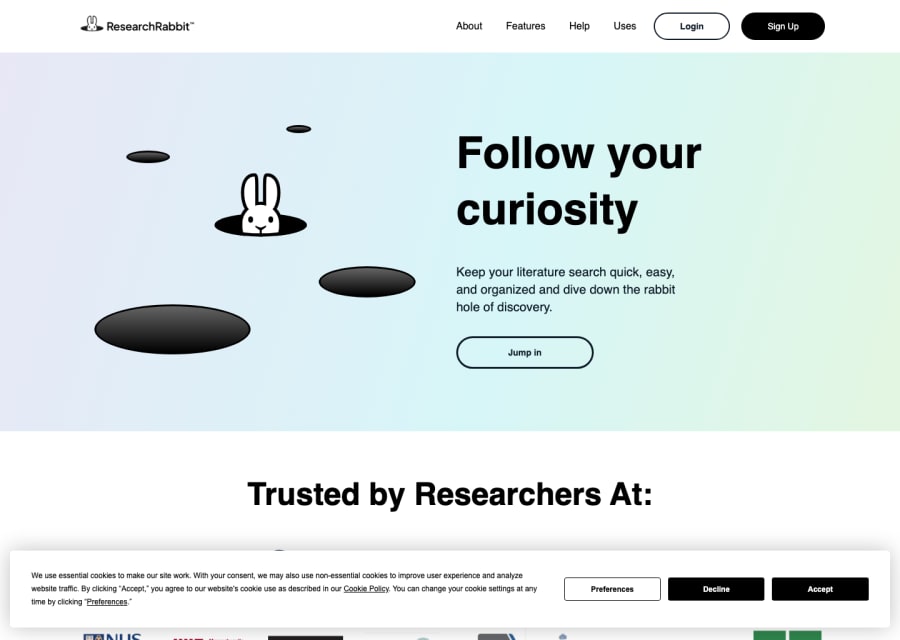
The Other category exists because the AI tools landscape does not sort neatly into boxes. Some of the most interesting, useful, and innovative tools in the ecosystem do not fit cleanly into Text, Image, Code, Audio, Video, Business, or 3D — they sit at intersections, serve niche but real use cases, or represent categories that are emerging fast enough that a dedicated classification has not yet been established. This category includes research and productivity tools built around AI reasoning, personalised learning platforms, AI-powered search and knowledge tools, specialised domain tools for fields like law, medicine, and education, novel interface experiments, and multi-modal tools that combine several capabilities in one product. The common thread is not format or function — it is that these tools do something genuinely useful that the other categories do not capture.
Some of the most practically valuable AI tools are in this category precisely because they solve specific, underserved problems rather than competing in the crowded general-purpose space. A researcher who needs to analyse patent filings, a student who needs an adaptive tutor for a specific subject, a legal professional who needs contract analysis, or a developer who needs a specialised tool for a domain-specific workflow will often find that the best solution is not a general assistant but a purpose-built product that deeply understands the particular context. The Other category is where you find these specialised tools — tools that are less famous than the category leaders but often more useful for the specific work they are designed around.
How to find and evaluate tools in the Other category
Common questions about other AI tools
What types of tools does the Other category include on aitoolcity?
This category covers AI tools that serve specific, real use cases outside the main content categories. Examples include AI-powered research tools, adaptive learning and tutoring platforms, domain-specific assistants for law, medicine, finance, and education, novel productivity interfaces, multi-modal tools that span several formats, specialised search and knowledge management tools, and experimental or early-stage products with genuine promise. If a tool does something useful and does not fit neatly elsewhere, it lives here.
How do I find the right tool for a niche use case?
The most effective approach is to describe the specific task you are trying to accomplish and search for tools built around that exact job rather than browsing general categories. Use the search on the tools page with specific terms related to your domain. Also look at what other professionals in your field are using — domain-specific communities on Reddit, Discord, LinkedIn, and professional forums tend to surface the most relevant tools for specific use cases faster than general AI review sites.
Are specialised AI tools better than general assistants for professional work?
Often yes, for specific high-frequency tasks. A dedicated legal contract review tool trained on legal language and conventions will outperform a general assistant for contract analysis, even if the general assistant is technically more capable overall. The reason is context: specialised tools understand the format, terminology, and judgment criteria of their domain in ways that take significant prompting to replicate with a general tool. For general tasks, a flexible assistant is usually better. For repeated, domain-specific tasks, specialisation wins.
How do I evaluate an AI tool that does not have many reviews yet?
Test it with your real work rather than demo examples. Most AI tools look impressive with the examples on their own website — the honest test is whether they handle your actual tasks well. Take one real-world piece of work you need to do and run it through the tool. Look for: accuracy on things you can independently verify, appropriate handling of edge cases and ambiguity, output format and quality suited to your workflow, and whether the tool fails gracefully or confidently when it does not know something. That test tells you more than any review.
Are there AI tools for specific industries I might not know about?
Yes — significantly more than most people realise. There are AI tools purpose-built for radiologists analysing scans, lawyers reviewing contracts, teachers building lesson plans, financial analysts running research, architects generating floor plans, engineers writing specifications, HR teams screening candidates, and dozens of other domain-specific workflows. Many of these tools are not widely known because they are marketed narrowly to the relevant professional community. Searching for AI tools in your specific field rather than general AI tools will usually surface options that are more immediately useful than the mainstream category leaders.